SAFE, PROFESSIONAL TREE REMOVAL & STUMP GRINDING IN ARVADA, CO
Hazardous Trees, Dead Trees, Unwanted Trees — We Remove Them Safely | Free Estimates
Tree Removal in Arvada: When It’s Time to Take the Tree Down
Arvada’s tree canopy is one of its defining features, but the same mature trees that add charm to neighborhoods like Olde Town and Ralston Valley can become serious hazards as they decline.
Located along the Front Range foothills corridor, Arvada experiences frequent high winds, and the region’s clay-heavy soils, combined with periods of drought, can weaken root systems in ways that are not always visible above ground.
Dead and dying cottonwoods, elms affected by Dutch elm disease, and ash trees threatened by the emerald ash borer are among the most common removal concerns in the area.
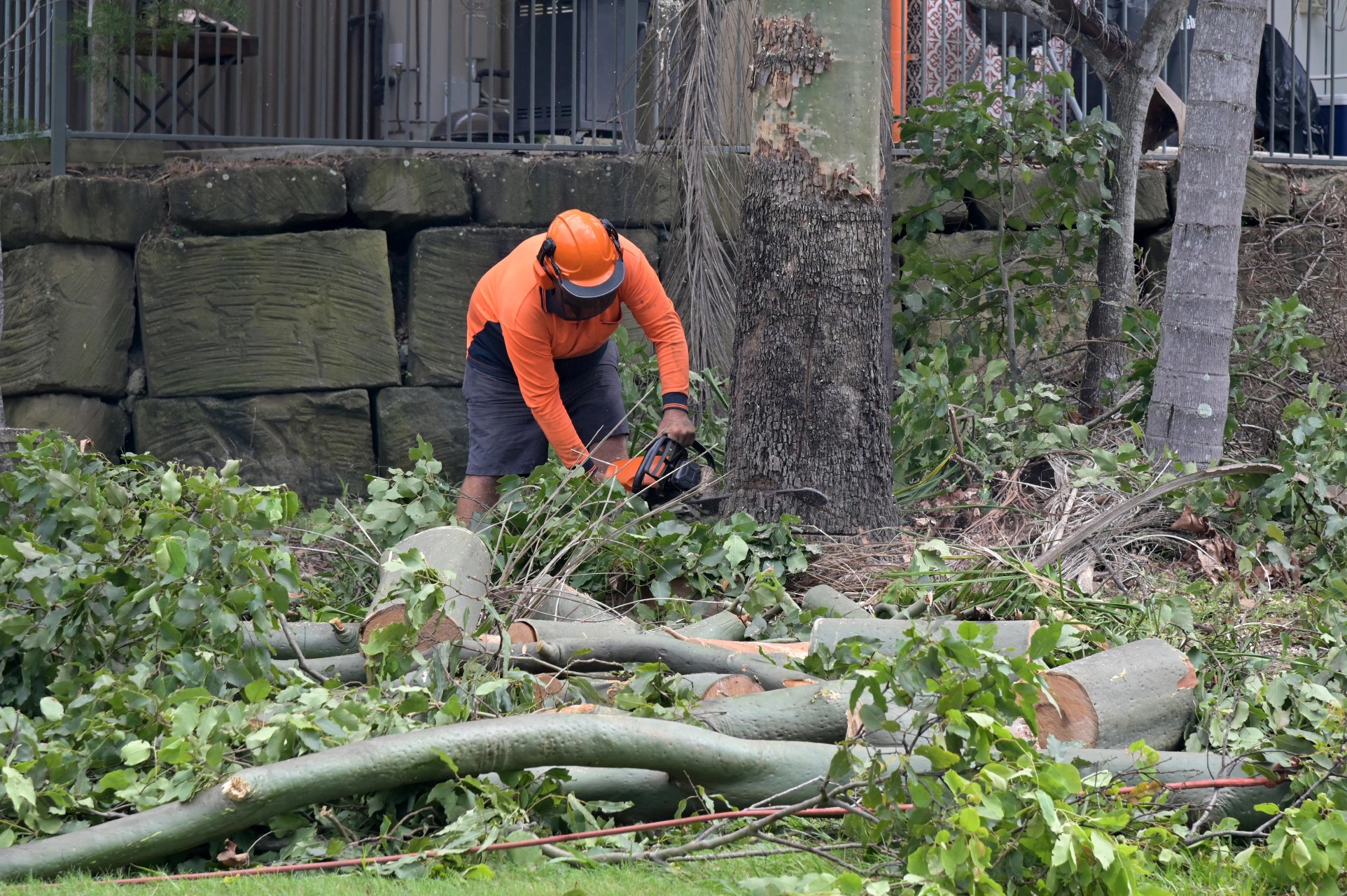
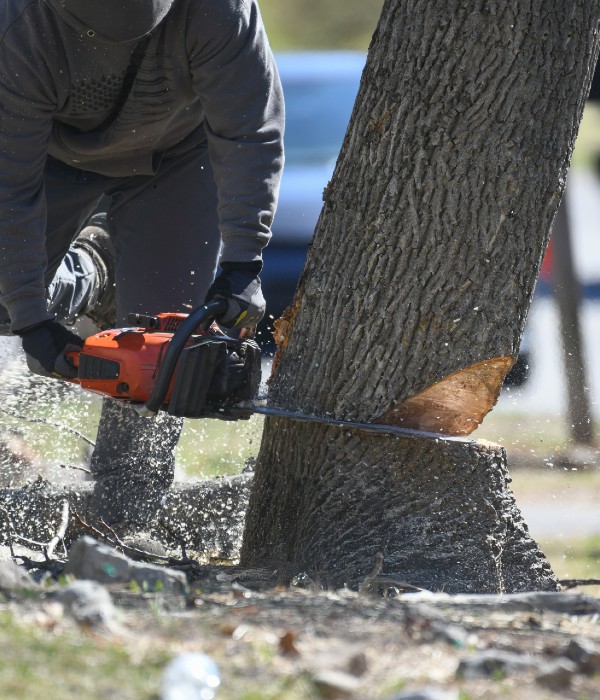
When a tree can no longer be restored to a safe condition through trimming or treatment, removal becomes the responsible choice to protect your property and the surrounding landscape.
Stump grinding is the next important step, eliminating tripping hazards, discouraging wood-boring insects, and preventing unwanted regrowth over time.
Our Arvada Tree Removal Services
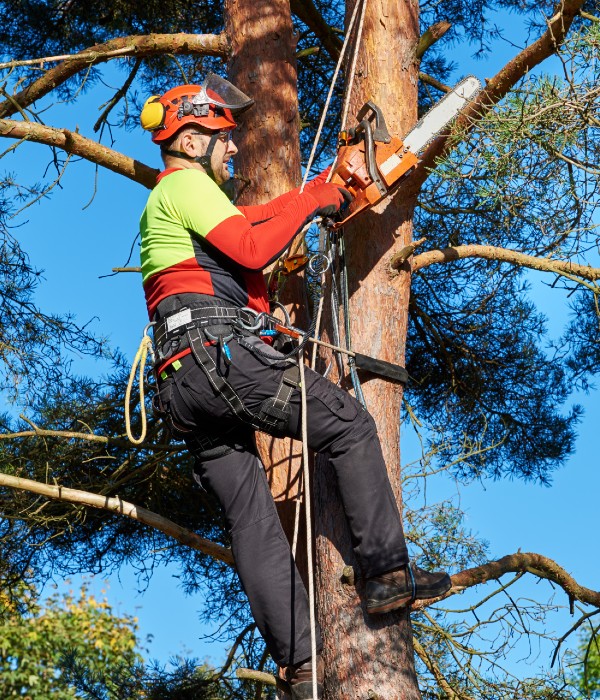
At Willco Tree LLC, we handle tree removal of all sizes and complexities throughout Arvada, from small ornamentals in tight backyard spaces to large, structurally compromised trees adjacent to homes and fences. Our ISA-certified arborists assess every removal job before work begins, identifying the safest approach and the right equipment for the situation.
Hazardous Tree Removal
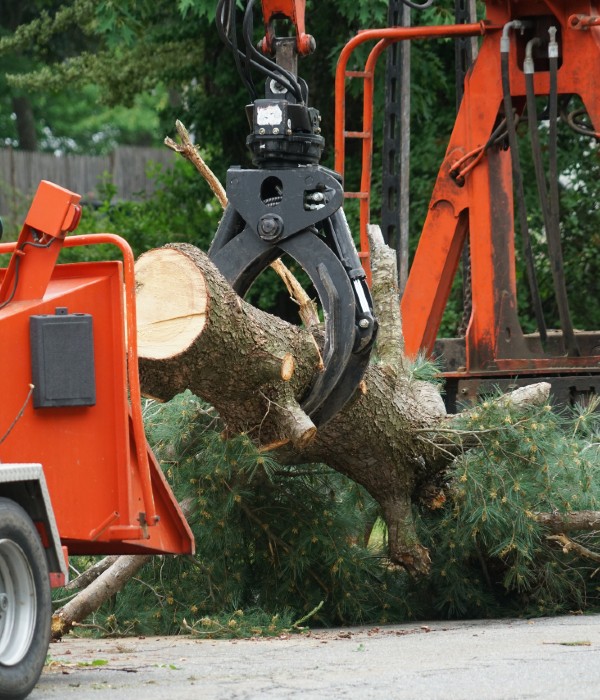
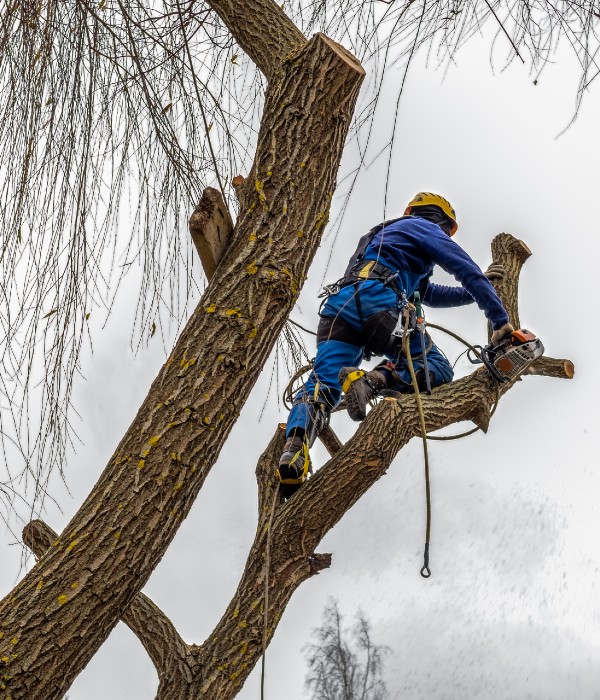
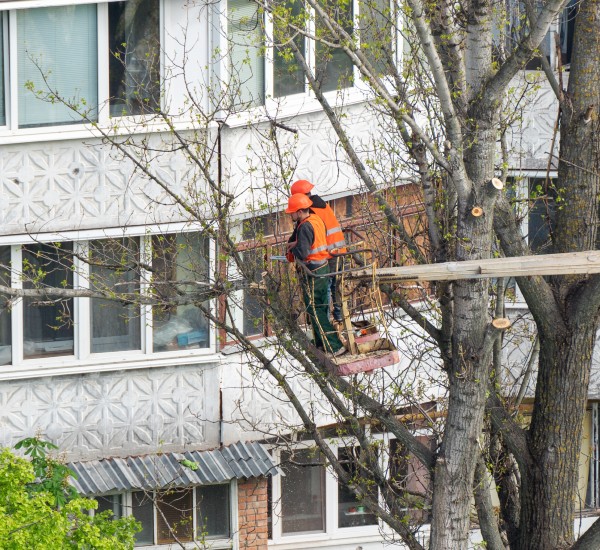
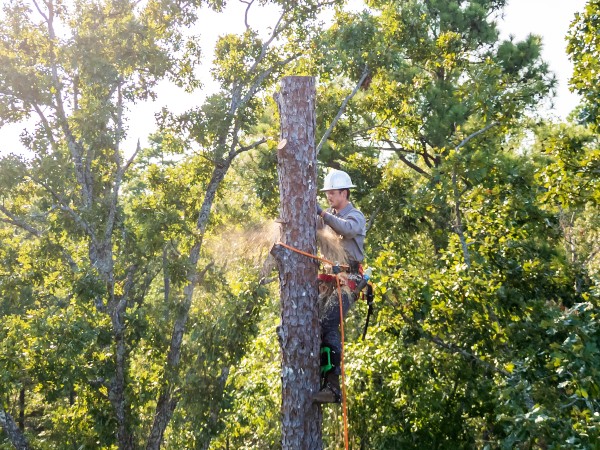
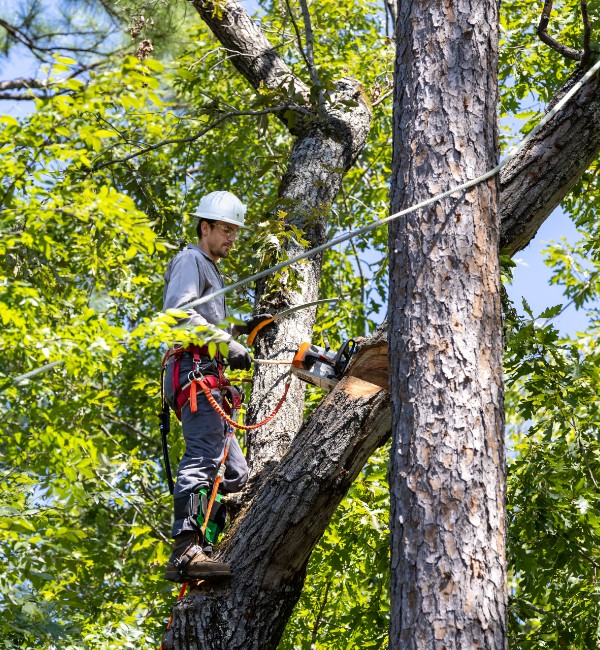
When a tree poses an immediate risk to your home, outbuildings, utility lines, or family, it needs to come down safely and efficiently. We specialize in controlled removal in confined spaces, sectioning large trees piece by piece when there isn’t room for a directional fell, and we use proper rigging techniques to protect your structures throughout the process.
In Arvada’s older neighborhoods like Olde Town and Ralston Valley, trees have often grown very close to homes, fences, and overhead utility lines over decades of unchecked growth. That proximity requires precision work. Our crew plans every removal methodically, identifying anchor points, calculating drop zones, and staging equipment to minimize the footprint on your property. No two hazardous removals are the same, and we approach each one with the care that reflects that reality.
Dead & Diseased Tree Removal
Dead trees are unpredictable. A tree that looks stable in calm weather can fail suddenly during a windstorm, and in Arvada’s foothills-adjacent corridor, those wind events happen regularly and without much warning. We remove dead, declining, and diseased trees throughout Arvada, including ash trees affected by emerald ash borer, which has been confirmed in Adams County and continues to spread throughout the Denver metro.
Dutch elm disease remains an ongoing concern in Arvada’s established neighborhoods, where mature American elms still line many streets and older properties. When an elm reaches the point where the disease has progressed beyond what treatment can manage, prompt removal also helps prevent the spread of the fungus to neighboring healthy elms through shared root grafts and bark beetle activity. We assess every diseased tree in context, not just the tree itself, but the risk it poses to adjacent trees on your property and your neighbors’.
Storm-Damaged Tree Removal
Colorado’s spring and fall storms regularly leave Arvada homeowners with split limbs, uprooted trees, and partially failed specimens that need prompt attention.
Heavy, wet snow loading on fully leafed branches is a classic Front Range scenario in May and October, and it can suddenly and dramatically split even structurally sound trees.
We respond quickly to storm damage calls and assess each situation honestly: some damaged trees can be safely trimmed back to a stable, viable form, and we’ll tell you when that’s genuinely the case.
When the damage is too extensive or the remaining structure is too compromised to be safely retained, we remove what’s left cleanly and efficiently. We also assist with documentation for insurance purposes when storm damage is involved.
Whole-Property & Lot Clearing
For Arvada property owners undertaking construction, major landscaping renovations, or clearing overgrown lots, we offer whole-property tree and stump removal services.
We assess the full scope of work upfront, sequence the job to minimize disruption, and handle all debris removal.
Whether you’re clearing a single overgrown corner of a backyard or prepping a full lot, we have the equipment and crew to get it done cleanly.
Stump Grinding
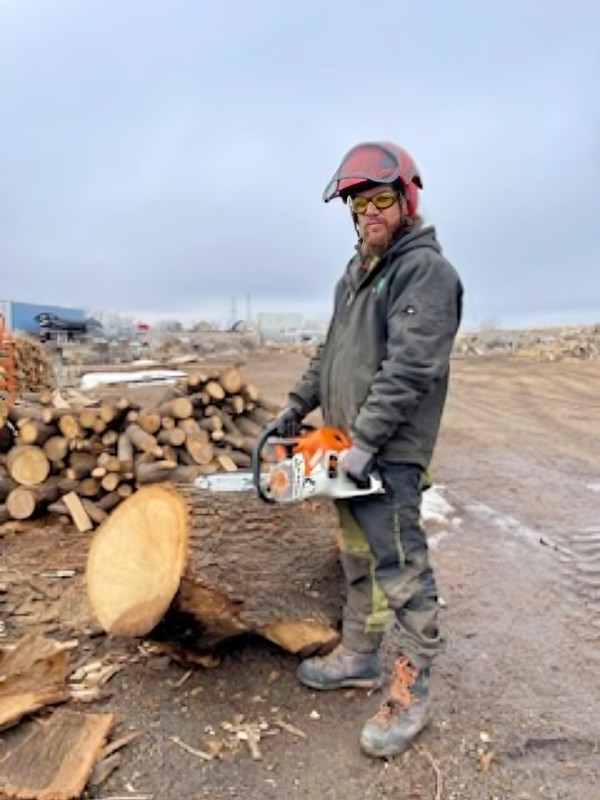
After tree removal, stump grinding is the step that finishes the job properly. Leftover stumps are tripping hazards for people and equipment, attract wood-boring insects and fungal decay that can affect nearby trees and structures, and can continue sending up vigorous root sprout growth for years, sometimes decades, if not properly addressed.
Our heavy-duty grinding equipment reduces stumps to below ground level, converting the remaining wood into a mulch-like material that can be raked back into the surrounding soil or removed entirely. The result is a clean, level surface that allows you to replant, resod, install hardscaping, or landscape over the area without ongoing stump interference.
We offer stump grinding as part of a combined removal package, which is the most cost-effective approach, or as a standalone service for existing stumps already on your Arvada property. If you have multiple stumps from prior removals, we can grind them all in a single visit for efficiency.
Stump Removal vs. Stump Grinding: What’s the Difference?
This is one of the questions we get most frequently. Stump grinding removes the visible stump and grinds the wood down several inches below the soil surface, which is sufficient for replanting grass, installing landscape beds, or simply eliminating the hazard. It leaves the root system in the ground to decay naturally over time.
Full stump removal, excavating the entire root ball, is a far more intensive process that disturbs a significant area of soil and is rarely necessary for residential properties. For the vast majority of Arvada homeowners, stump grinding accomplishes everything needed at a fraction of the cost and disruption.
Why Choose Willco Tree for Removal in Arvada
- Over 40 years of experience serving the Denver metro — including Arvada — since 1977
- ISA-certified arborists experienced with Arvada’s specific tree species, soil conditions, and site constraints
- Advanced equipment, including bucket trucks and heavy-duty stump grinders for jobs of any size
- Full cleanup and debris hauling are included with every removal
- Fully licensed and insured — proper removal protects your homeowner’s insurance, not just your yard
- Combined removal and stump grinding are available to streamline the process and reduce cost
- Free estimates for all removal work throughout Arvada and surrounding communities
If you have a dead, hazardous, or unwanted tree on your Arvada property, don’t wait until it becomes an emergency. Call Willco Tree LLC today for a free removal estimate. We serve all of Arvada — from the established neighborhoods near Olde Town to new developments along the Candelas corridor.
📞 Call: 303-647-5590
Frequently Asked Questions
It’s a question worth getting a professional opinion on, because the answer isn’t always obvious from a visual inspection alone. Trimming and pruning can address structural problems, manage canopy weight, and support a struggling tree’s health, but there are situations where those interventions can no longer make a tree safe or viable. Signs that removal is likely the more appropriate path include more than half the canopy being dead or declining, significant decay or hollowing in the main trunk or at the base, major structural cracks extending into primary scaffold branches, a lean that has developed or worsened without a clear mechanical cause, and root damage or upheaval around the base of the tree. When we provide free estimates in Arvada, our ISA-certified arborists give you a straight assessment of what’s actually going on — we never recommend removal when trimming is a genuinely viable option, and we never suggest continued maintenance when a tree presents a safety risk that can’t be resolved.
Emerald ash borer is a serious and legitimate concern for Arvada homeowners. The pest has been confirmed in Adams County and throughout the Denver metro, and ash trees, which were planted extensively as street and shade trees across Arvada’s subdivisions, are highly vulnerable. The insect attacks the vascular tissue beneath the bark, girdling branches and eventually killing the entire tree. By the time the damage is visually obvious, the infestation is often well advanced. Signs to watch for include canopy die-back starting at the top and working downward, increased woodpecker activity on the trunk, S-shaped feeding galleries visible if you peel back loose bark, and small D-shaped exit holes. If you have ash trees, having them evaluated by a certified arborist is a worthwhile step now rather than after the tree has already declined significantly. Treatment options exist and are most effective when applied to trees that are still healthy or in early decline.
Yes, this is a significant portion of the removal work we do in Arvada’s established neighborhoods. Older properties in areas like Olde Town and Ralston Valley often have very large trees growing in proximity to structures, and there’s simply no room for a conventional directional fell. In these situations, we section the tree from the top down, using rigging to control the descent of each piece and protect your home, fencing, and landscaping throughout the process. We stage our equipment thoughtfully to minimize the footprint on your property and protect driveways, lawn areas, and planting beds as much as possible. If access is particularly challenging, we’ll discuss the specifics with you during the estimate so there are no surprises on the day of the job.
This is a situation we encounter regularly in Arvada, particularly along creek corridors where large cottonwoods grow on property boundaries. Legally, the responsibility for a tree’s maintenance and the liability for damage it causes is a nuanced area that varies by circumstance. If your neighbor’s tree falls on your property, homeowner’s insurance typically covers your damages, but the specifics depend on whether negligence can be demonstrated. From a practical standpoint, the most effective first step is often a direct conversation with your neighbor, ideally accompanied by a written assessment from a certified arborist documenting the hazard. That documentation can be useful both in motivating action and in any subsequent insurance conversation. We can provide written hazard assessments for exactly this kind of situation, and if your neighbor is willing to proceed, we’re experienced at working cooperatively with adjacent property owners to manage the cost and logistics of removal.
Full cleanup and debris hauling are included with every removal we perform. Logs, branches, and wood chips are all removed from your property as part of the job. You won’t be left with a pile of material to deal with on your own. If you’d like to keep firewood from a removal, just let us know in advance, and we can set aside sections for you when the species and condition of the wood make that practical. Stump grinding, the wood chip material produced by grinding, can either be removed or spread back around the area as organic mulch, depending on your preference.
We recommend doing it at the same time as the removal whenever possible, for a few practical reasons. The crew and equipment are already on site, which reduces the overall cost compared to scheduling a separate stump grinding visit. The area around a fresh stump is also typically already cleared of obstructions from the removal work, which makes grinding easier. That said, if budget is a consideration or you’re still deciding what to do with the space, waiting is an option. Stumps don’t become urgent safety issues overnight. What we’d caution against is leaving a stump indefinitely: beyond the tripping hazard, stumps in Arvada’s urban tree canopy can attract wood-boring insects and fungal decay that may spread to healthy nearby trees. If you have several existing stumps from prior removals, we can efficiently grind them all in a single visit.
It’s a factor worth understanding. Arvada’s clay-heavy soils hold moisture differently than sandy or loamy soils, and that affects root development significantly. Trees in clay soils often develop shallower, more laterally spread root systems rather than deep taproots, which means root zones can extend surprisingly far from the trunk and sometimes intertwine with driveways, foundations, irrigation lines, and neighboring root systems. During removal, we account for this when assessing the risk of root disturbance to nearby structures. For stump grinding, the clay content and moisture level of the soil affect the difficulty of the grind and how quickly the root material will break down afterward. Our equipment handles Arvada’s soil conditions routinely, and we’ll flag anything that warrants extra attention during the estimate.
Serving Arvada, CO & Beyond
Our skilled team at Willco Tree is dedicated to providing professional expertise and attentive, personalized service to properly assess, maintain, and treat trees to ensure long-term health and safety. Ready to get started? Reach out to our team today!