24/7 EMERGENCY TREE SERVICE IN ARVADA, CO
Storm Damage | Fallen Trees | Hazardous Limbs — We Respond Fast, Day or Night
Arvada Tree Emergencies: Why a Fast Response Matters
Arvada’s position at the base of the Front Range foothills makes it one of the Denver metro’s most weather-exposed communities. The Chinook winds that roar down the foothills in winter and early spring can snap large limbs or topple entire trees with almost no warning, and Colorado’s late-season snowstorms are notorious for dropping heavy, wet snow on trees that still have their leaves, causing catastrophic branch failure in established neighborhoods throughout Arvada.
When a tree falls on your roof, blocks your driveway, damages a fence, or leaves a dangerous hanging limb over your home, time is critical. Secondary damage can escalate quickly if a compromised roof is exposed to rain, obstructed utility lines, or unstable limbs that could fall without warning.
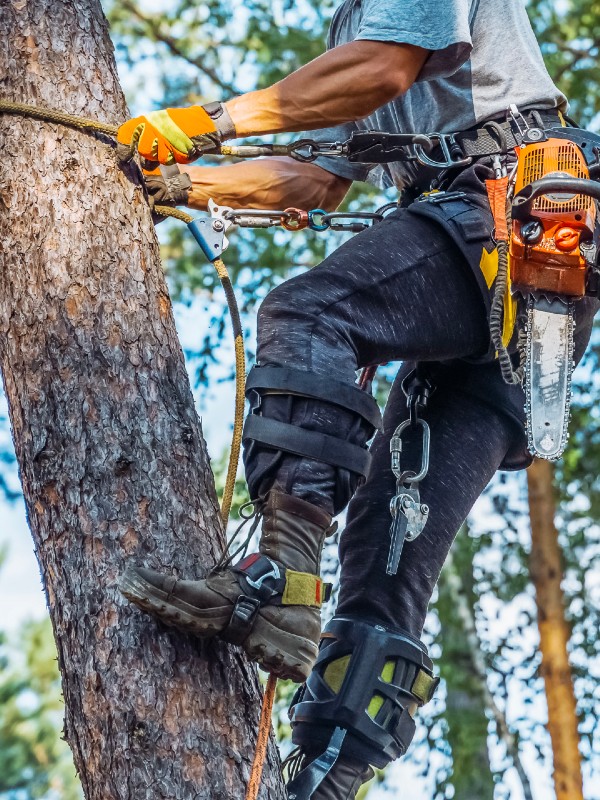
Willco Tree LLC provides true 24/7 emergency response throughout Arvada, with ISA-certified arborists and the specialized equipment needed to assess the situation and handle tree emergencies safely and efficiently, no matter when they occur.
What We Handle in an Arvada Tree Emergency
Our emergency response team is equipped to handle the full range of tree-related emergencies that Arvada homeowners face, from wind events and snowstorms to lightning strikes and sudden structural failure. Every emergency call is treated with the same urgency: a real person answers, a crew is dispatched with the right equipment, and an ISA-certified arborist is on site before any work begins.
Fallen Tree Removal
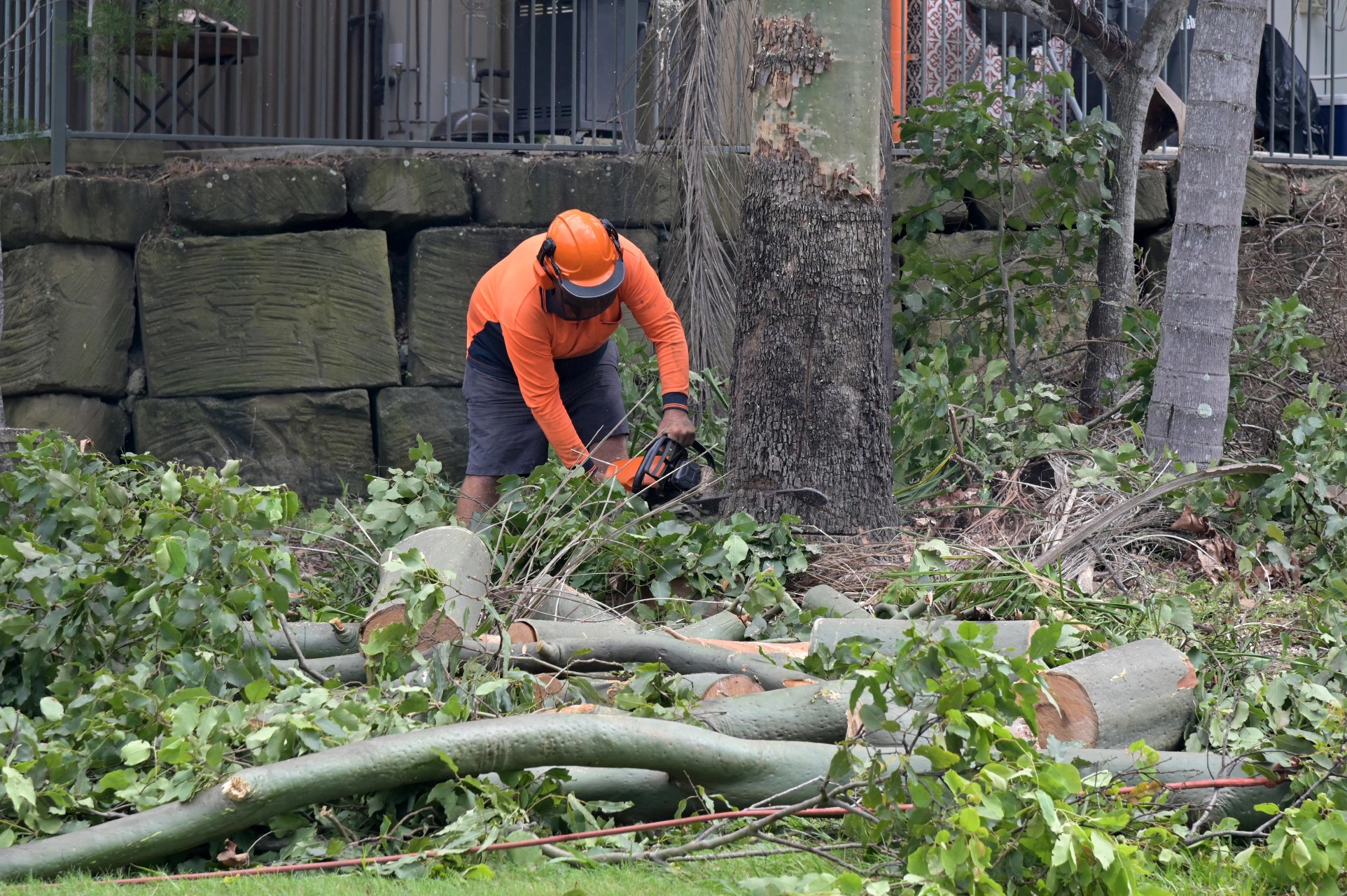
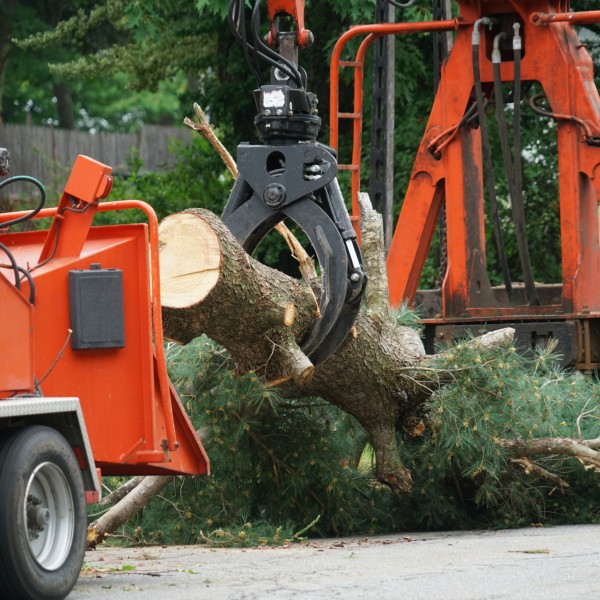
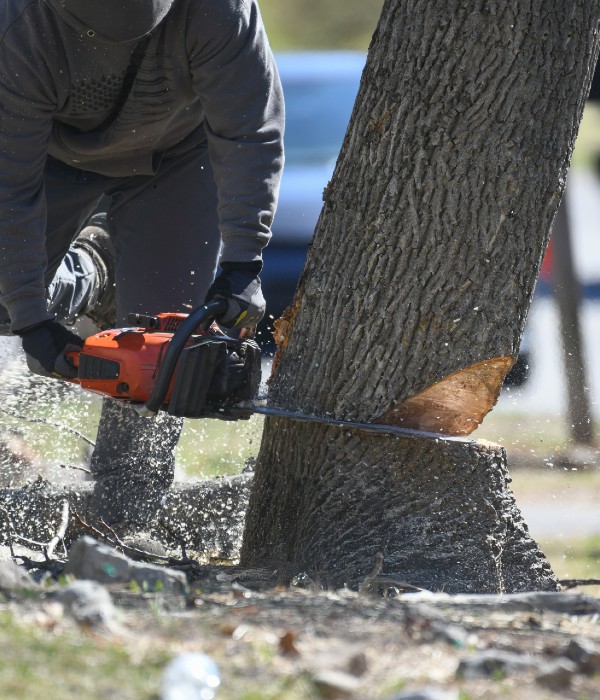
A tree that has fallen fully on your home, garage, vehicle, fence, or yard needs to be removed quickly and carefully. We section and remove fallen trees, assess any structural damage to your property, and haul away all debris so you can begin the recovery process without added complications.
In Arvada’s established neighborhoods, a fallen tree rarely falls in an open space. It goes into a roof, across a fence shared with a neighbor, onto a parked car, or into utility infrastructure. That confined reality means the removal has to be methodical, even under time pressure, cutting in the wrong sequence can shift the load and cause additional damage. Our crew is trained to read the situation before making the first cut, working safely and deliberately, even when the circumstances feel urgent.
Hazardous Limb Removal
Hanging, cracked, or partially failed limbs are often more dangerous than a fully fallen tree, precisely because they haven’t come down yet. A limb that’s fractured but still attached can drop without any additional warning, and the unpredictability of when and where it will land makes it an active hazard until it’s removed. In Arvada, where Chinook wind events can arrive and intensify within hours, a hanging limb identified in the morning can become a critical situation by afternoon.
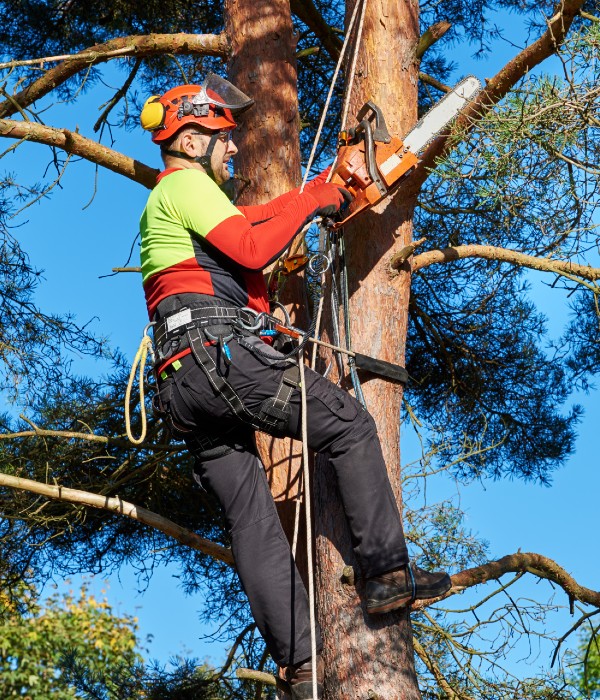
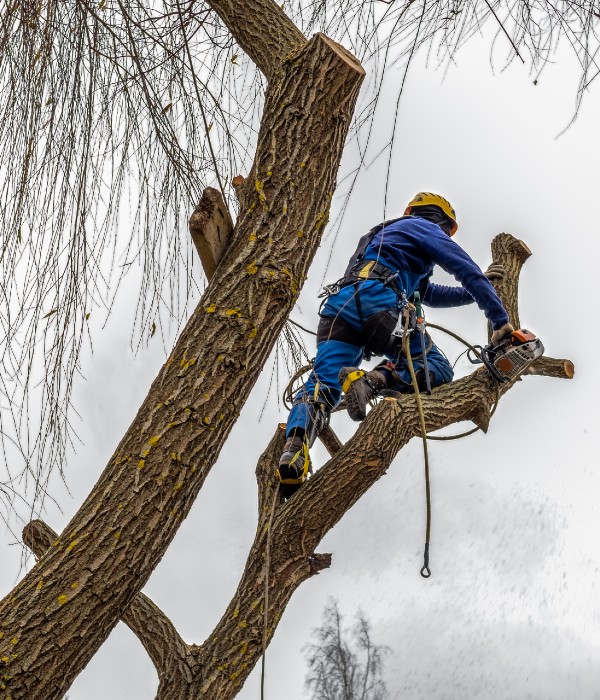
We assess and remove hazardous limbs safely using proper rigging techniques to control where pieces land and protect structures, vehicles, and people below. We also inspect the surrounding canopy for secondary damage that may not be immediately obvious, like a major wind event or heavy snow load, which frequently damages more than what’s visible from the ground, and identifying those additional hazard points during an emergency visit prevents follow-up emergencies down the road.
Storm Damage Assessment & Cleanup
After a major storm moves through Arvada, the visible damage is only part of the picture. Split branch unions that are still holding, partially heaved root systems, soil that has shifted around a tree’s base, and co-dominant stems stressed by the event can all lead to additional failures days or even weeks later. Our arborists carefully evaluate storm-damaged trees across your entire property, not just the most obvious problem areas, identifying risks before they turn into another emergency.
We also provide written storm damage assessments upon request, which many Arvada homeowners find helpful when filing insurance claims or documenting damage caused by a neighboring tree. Once the assessment is complete, we take care of all cleanup, including debris removal, limb hauling, and site clearing, so your property is left clean, safe, and fully restored.
Emergency Pruning to Save the Tree
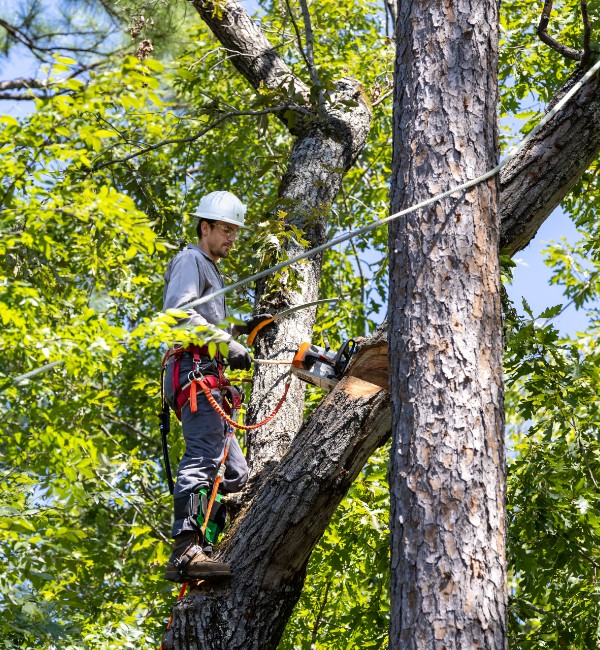
Not every tree emergency requires full removal. In some cases, such as a major limb failure where the remaining structure is still sound, or a storm split affecting a single scaffold branch while the rest of the tree remains stable, targeted emergency pruning can address the damaged or high-risk areas while preserving the overall tree. When this approach is truly viable, it can protect both the value of the tree and its role in your landscape.
When emergency pruning is a realistic option, we present it clearly alongside removal. We explain what can be preserved, outline the tree’s long-term outlook, and review the differences in cost and risk between each option. Our arborists prioritize preservation when it is safe and practical, but they will recommend removal when it is the more responsible and secure choice.
Lightning Strike Response
Lightning strikes are a specific type of tree emergency that Arvada homeowners encounter more than residents of less elevated communities. A struck tree may show obvious explosive damage, like stripped bark, split trunk sections, and blown-out root zones. It may even appear relatively intact while having sustained significant internal damage to its vascular system. Both situations require prompt professional assessment.
A tree that has been struck and shows major structural damage typically needs to be removed before the compromised wood dries out and becomes more unpredictable to work around. A tree that appears mostly intact after a strike should still be assessed. The internal damage from a lightning event isn’t always visible for days or weeks after the strike, and a certified arborist can identify the indicators that determine whether the tree is viable or needs to come down. We respond to lightning strike calls throughout Arvada and provide honest assessments of what the strike has actually done to the tree.
Utility Line & Roof Clearance Emergencies
Trees or large limbs making contact with utility lines or resting on a roof structure require immediate attention and a specific kind of care. Work near active utility lines always involves coordination with the relevant utility provider, because we do not cut through lines or work in contact with energized conductors, and we’ll communicate clearly about what requires utility involvement before work proceeds. For trees or limbs on roofs, we work carefully to remove material without causing additional structural damage to the roof surface, and we document conditions thoroughly to support insurance claims.
What to Expect When You Call Willco Tree for an Emergency in Arvada
- Immediate phone response — a real person, 24 hours a day, every day of the year
- Rapid dispatch to your Arvada property with the proper equipment for the specific situation
- On-site assessment by an ISA-certified arborist before any work begins
- Clear explanation of the situation, the recommended approach, and the expected cost — no surprises
- Safe, controlled removal or stabilization of the hazard
- Full debris cleanup and hauling — we leave your property clean
- Written documentation available for insurance purposes when needed
Why Arvada Homeowners Call Willco Tree First
- True 24/7 availability — not an answering service, but a team ready to respond and dispatch
- Over 40 years serving Arvada and the Denver metro since 1977 — we know the territory and the conditions
- ISA-certified arborists who make safe, informed decisions under pressure
- Fully insured for all emergency tree work — protecting you and your property
- Family-operated and locally based — our reputation in this community matters to us
If you’re dealing with a tree emergency in Arvada right now, don’t wait. Call Willco Tree LLC immediately. We’re available around the clock and will dispatch a team to your property as quickly as possible.
Emergency Line: 303-647-5590
For non-urgent inquiries, you can also fill out our contact form, and we’ll follow up promptly during business hours.
Frequently Asked Questions
The clearest indication of a true emergency is an active or imminent risk to people or property. Call immediately if a tree or large limb has fallen on your home, garage, vehicle, or utility lines; if a limb is hanging and visibly cracked or partially detached above an area where people are present; if a tree is leaning significantly and the lean has developed suddenly rather than over years; or if a lightning strike has caused visible damage to a tree near your home. If the tree is dead or declining but hasn’t failed, if branches are overhanging a structure without showing signs of imminent failure, or if there’s general storm debris that doesn’t pose an immediate risk, those situations can typically be addressed through a scheduled appointment rather than an emergency call. When you’re genuinely unsure, call us. Our team can help you assess the urgency over the phone and advise whether immediate dispatch is warranted.
The immediate priority is safety. Stay clear of the area if there’s any chance additional material is unstable, and don’t attempt to move or cut the limb yourself without knowing what it’s resting against or connected to. On the liability question: in most cases, damage to your property caused by a neighbor’s tree falling is covered under your own homeowner’s insurance, regardless of who owns the tree. However, if you can demonstrate that the neighbor was aware that the tree was dead, diseased, or hazardous and failed to act, their liability insurance may apply. A written assessment from a certified arborist documenting the tree’s prior condition can be meaningful in that conversation. We provide emergency response for exactly this kind of situation and can document conditions thoroughly to support your insurance claim. For the immediate removal, we’ll clear the material from your property and leave the situation documented.
We maintain true 24/7 availability, not a voicemail or answering service, but direct access to our team around the clock. Response time depends on current call volume and the specific location on your property, but our goal is to have a crew en route to Arvada emergencies as quickly as possible after the initial call. During major storm events that generate multiple simultaneous calls across our service area, we triage based on the severity of the hazard, active roof damage, blocked utilities, and imminent failure situations get priority dispatch. If your situation is assessed as lower urgency during a high-volume period, we’ll communicate that honestly and give you a realistic timeline rather than an optimistic one we can’t deliver on.
Keep everyone out of the affected rooms or areas of the home until the tree has been assessed and removed, because the structural condition of the roof isn’t always obvious from inside, and a tree resting on a roof can shift. If you can safely do so, cover any exposed interior areas with tarps or plastic to limit water intrusion, but don’t go onto the roof yourself. Take photos of the damage from safe vantage points before anything is moved, both for your own records and for the insurance claim process. Call your homeowner’s insurance company to report the damage and open a claim as soon as practical, even before the tree is removed. When we arrive, our arborist will assess the situation before any cutting begins. The sequence in which a tree resting on a structure is sectioned matters significantly for preventing additional damage, and we plan that sequence carefully before the first cut is made.
Yes, in most cases, it warrants treating it as one. A limb that’s fractured and hanging is under unpredictable mechanical stress because the remaining wood fiber holding it may give way in the next wind gust, under the weight of additional rain or snow, or simply as the wood dries and the fracture propagates. The fact that it hasn’t fallen yet doesn’t mean it’s stable. In Arvada, where Chinook winds can develop quickly, and another weather system can arrive within 24 to 48 hours of the first, a hanging limb identified after one storm may not survive the next one intact. We treat hanging limb calls as priority situations and respond accordingly. If you have multiple hanging limbs after a storm, note their locations and approximate sizes when you call, which helps us dispatch with the right equipment for your specific situation.
It depends entirely on where the damage occurred and how much of the tree’s structure remains sound. A tree that has lost one major scaffold branch in a storm while the remainder of the canopy and trunk are structurally intact can often be preserved through emergency pruning, removing the damaged material, cleaning up the wound properly, and assessing the long-term prognosis. A tree that has split at the main crotch, lost the majority of its canopy, or sustained trunk damage that compromises its structural core is typically not a viable candidate for preservation. The species matters too, because some trees compartmentalize damage and recover well, while others are more vulnerable to decline following major wounds. Our ISA-certified arborists make this assessment on site and give you a straight answer about what preservation realistically looks like versus what removal involves, so you can decide with full information rather than assumptions.
Generally, homeowner’s insurance covers the cost of removing a tree that has fallen on and damaged an insured structure, like your home, garage, or fence, for example. Most policies do not cover the removal of a tree that has fallen in your yard without damaging a structure, or the removal of a hazardous tree that hasn’t yet fallen. Coverage limits, deductibles, and specific policy language vary significantly, so the most reliable step is to call your insurance provider as soon as possible after the event and ask specifically what your policy covers in this situation. What we can tell you is that having clear documentation, like photos taken before removal, a written assessment from a certified arborist describing the tree’s condition and what caused the failure, strengthens your claim and gives your adjuster what they need to process it accurately. We provide that documentation as part of our emergency response service throughout Arvada.
Serving Arvada, CO & Beyond
Our skilled team at Willco Tree is dedicated to providing professional expertise and attentive, personalized service to properly assess, maintain, and treat trees to ensure long-term health and safety. Ready to get started? Reach out to our team today!